
MS Beams: Types, Applications and More
What Are MS Beams?

Why Choose MS Beams?
- Strength and Durability: MS Beams are designed to bear immense loads without deformation — making them a reliable choice for large-scale projects including skyscrapers, industrial sheds, and warehouses.
- Cost-Effectiveness: Compared to aluminium or composite alternatives, mild steel offers excellent value for its strength and longevity — a budget-friendly option for long-term projects.
- Versatility: MS Beams adapt to residential, commercial, and industrial applications alike. They can be moulded, cut, welded, and customised to suit specific project requirements.
- Eco-Friendly: Mild steel is 100% recyclable, minimising waste and supporting sustainable construction practices — making MS Beams an environmentally responsible choice for modern projects.
Types of MS Beams
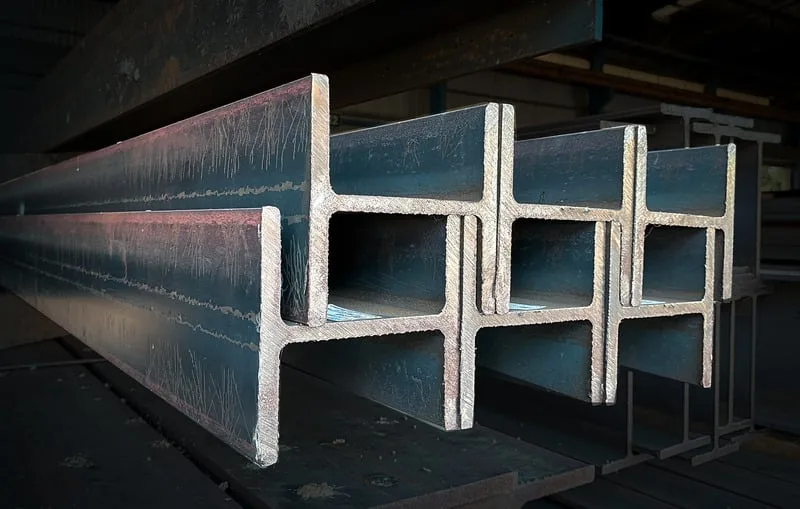
I-Beams
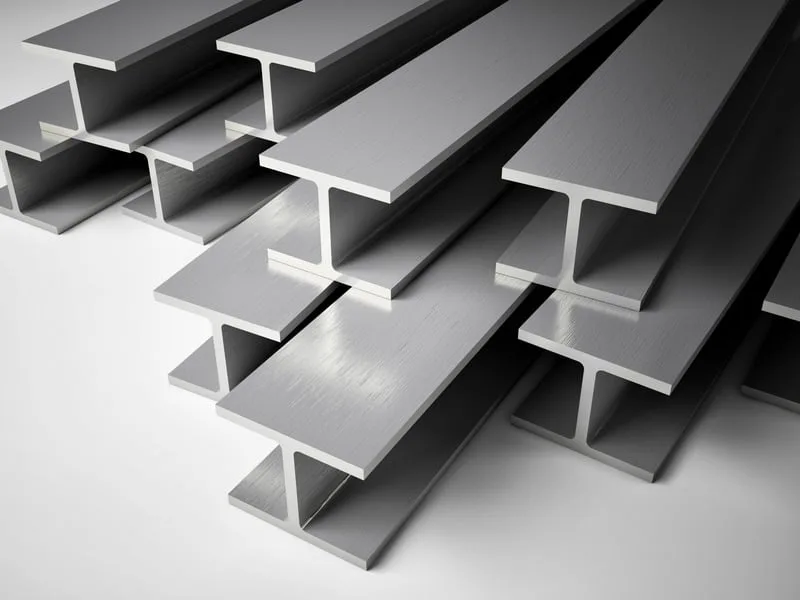
Characterised by their “I”-shaped cross-section, I-Beams are a staple in construction for their efficiency in supporting heavy loads. The vertical web handles shear forces while the horizontal flanges carry tension and compression — making I-Beams ideal for:
- Floor beams and roof rafters in buildings
- Vertical and horizontal supports in bridges and elevated structures
- Secondary framing members and lintels in industrial buildings
H-Beams
H-Beams have wider flanges than I-Beams, giving a more symmetrical “H” profile. This provides greater load-bearing capacity and stability in both vertical and horizontal directions — making them the preferred choice for:
- Long-span structures like large bridges and industrial warehouses
- Structural columns and load-bearing walls
- Heavy industrial complexes where multi-directional loads are a factor
Applications of MS Beams
Construction
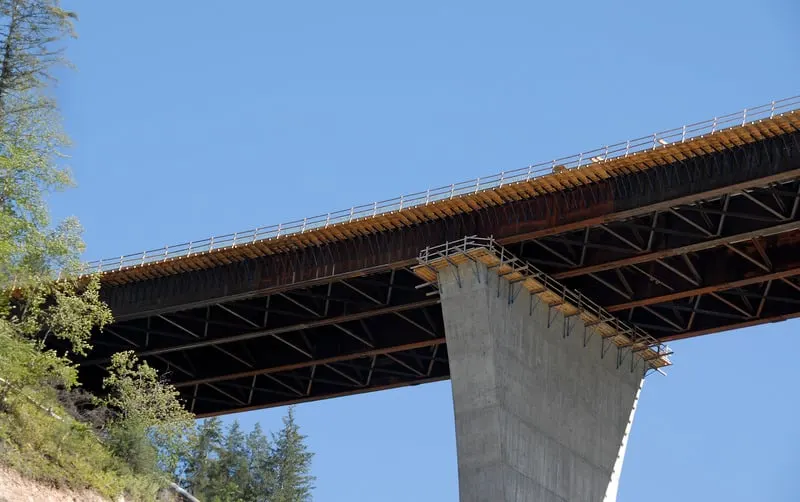
- High-rise projects: MS Beams form the skeletal structure of skyscrapers and multi-storey buildings, carrying floor and roof loads between columns.
- Infrastructure projects: Widely used in bridges, highways, tunnels, and flyovers — MS Beams deliver safety and durability under heavy dynamic loads.
Infrastructure
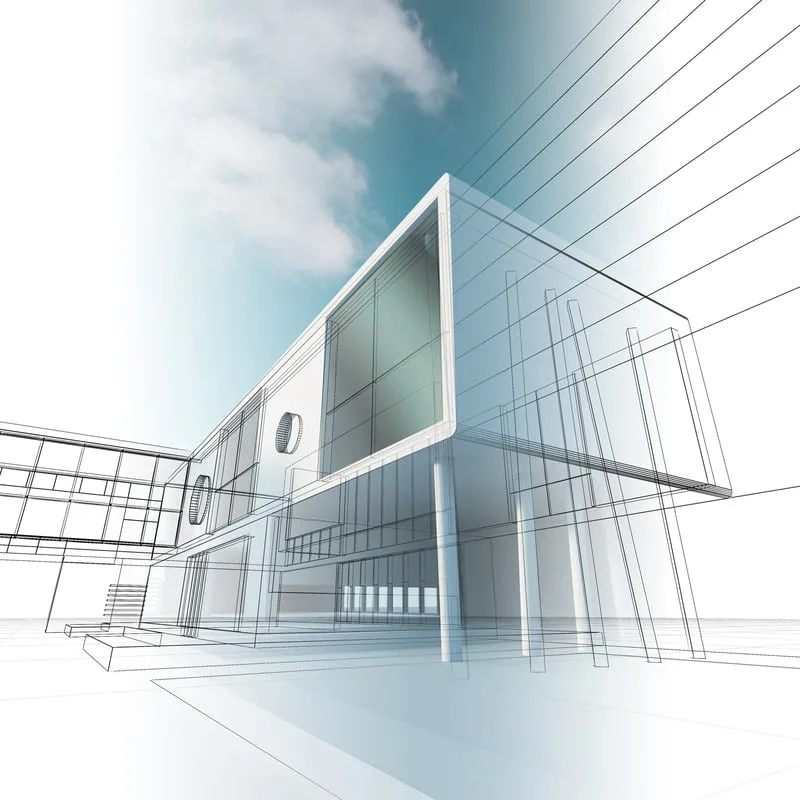
- Exposed industrial aesthetics: MS Beams are popular for creating modern architectural designs — exposed structural elements in interiors, facades, and mezzanines have become a design choice, not just a structural necessity.
- Support for unique designs: Cantilevered structures, open-plan layouts, and feature-span roofs all rely on MS Beams to combine structural performance with visual impact.
Industrial Sheds and Warehouses
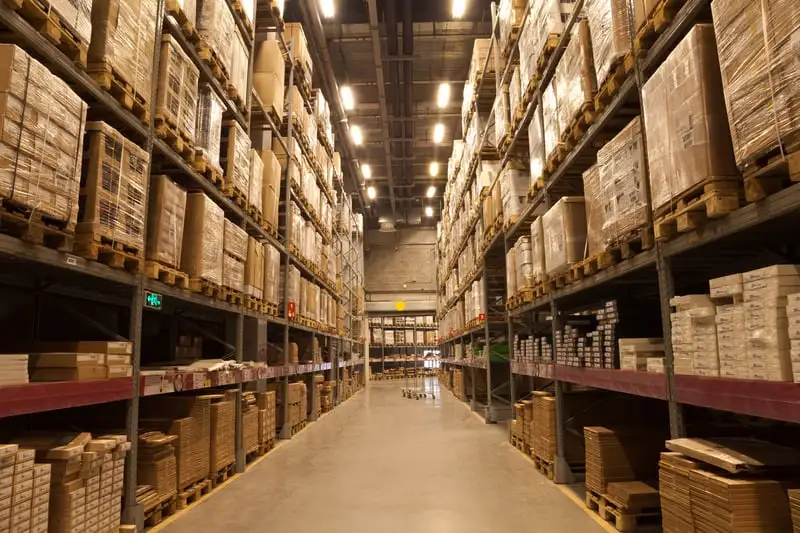
- Heavy machinery and assembly lines: MS Beams form the frameworks that support overhead cranes, EOT systems, and production line equipment in manufacturing units.
- Warehousing solutions: Fabricators use MS Beams to build robust storage racks and mezzanine floors for warehousing and logistics operations.
Interior Design and Retail Fixtures

- Space design: Smaller MS Beam sections serve as load-bearing or accent elements in restaurants, co-working spaces, bars, and home interiors — blending utility with an industrial aesthetic.
- Retail fixtures: Retailers and fabricators use MS Beams for display racks, partitions, and shelving in commercial spaces.
Other Industries
- Automotive: MS Beams provide strong frameworks for vehicle chassis and structural supports, ensuring reliability and safety.
- Shipbuilding: Used to reinforce the structural integrity of ship hulls and decks.
- Renewable energy: Essential for building support structures for wind turbines, ground-mounted solar panels, and small hydroelectric installations.
Things to Consider When Buying MS Beams
- Material Grade: Confirm beams meet the required industry standards for tensile strength, flexibility, and corrosion resistance. In India, IS 2062 E250 is the standard structural grade for most construction applications. Different grades suit different load and environment conditions — choose accordingly and ask for the mill test certificate (MTC).
- Dimensions and Specifications: The size, weight, and length of beams must match your project drawings exactly. Over-specifying wastes material cost; under-specifying creates structural risk. Standard ISMB sections run from 100 mm to 600 mm depth — verify the exact designation with your structural engineer.
- Supplier Reputation: Source beams from trusted suppliers like Namdev Infratech who stock material from BIS-certified mills, can provide MTCs on request, and offer cutting or fabrication services to reduce handling on your end.
- Compliance: Verify that the beams conform to local safety regulations and IS standards — both for structural safety and to meet site inspection requirements.
Maintenance and Care of MS Beams
- Preventing Corrosion: Apply protective coatings — zinc galvanisation for outdoor or exposed structures, or epoxy primer and polyurethane topcoat for sheltered environments — to resist rust and moisture.
- Regular Inspections: Conduct periodic checks for rust, deformation, or wear. Pay close attention to connection zones, bolt holes, and areas where water can pool — these are the highest-risk points for early corrosion.
- Proper Storage: Store beams horizontally on timber bearers at least 150 mm above ground, in a dry and well-ventilated area. Avoid contact with chemicals, fertilisers, or dissimilar metals.
- Handling and Installation: Use appropriate lifting equipment during transportation and erection. Avoid dragging or dropping beams — physical damage to the surface coating or the steel section itself reduces service life.
Choose Quality. Build with Confidence.
MS Beams are indispensable to modern construction and industry. Their strength, versatility, and cost-effectiveness make them the preferred structural material across sectors and project scales. Whether you are a builder raising a high-rise, a fabricator fitting out a warehouse, or a designer crafting a statement interior — MS Beams deliver the performance you need reliably.
However, material quality makes all the difference between a safe structure and a costly failure. Poor-grade steel compromises safety, shortens service life, and increases long-term maintenance expenses. Therefore, always source from a trusted supplier who stands behind every section they supply.
At Namadeva Steel Center, we supply premium-grade MS Beams that meet IS 2062 standards consistently. Builders, architects, and fabricators across Bangalore trust us for reliable quality, wide stock availability, and competitive pricing. Moreover, our experienced team helps you select the correct beam section, grade, and coating for your specific project requirements.
Ready to source MS Beams for your next project? Contact Namadeva Steel Center today and build with total confidence.