
What to Look for When Buying Steel for Construction Projects
1. Steel Grade and Quality
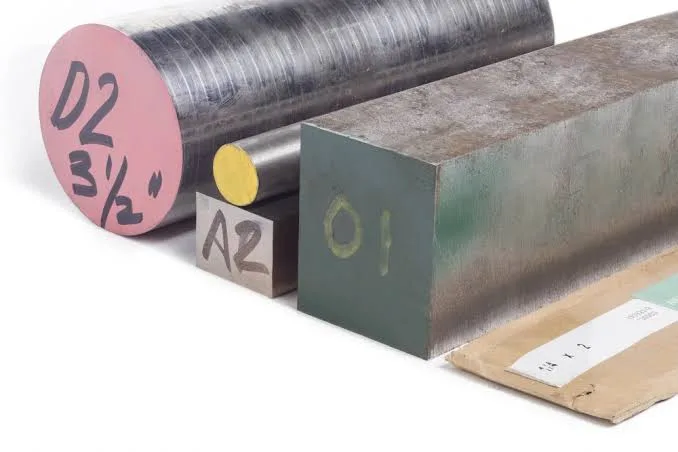
In India, steel grades must comply with Bureau of Indian Standards (BIS) certifications, ensuring that the material meets regulatory safety and durability standards. In 2022, India was the second-largest steel producer globally, with over 118 million tonnes of crude steel produced. This massive production is driven largely by the growing demand for quality steel in infrastructure and urbanization projects, underscoring the importance of selecting certified, reliable steel products.
2. Tensile Strength and Load-Bearing Capacity

These TMT bars not only provide excellent strength but a
lso have an elongation capacity that allows them to withstand seismic shocks, making them indispensable in earthquake-prone regions. By choosing steel with the right tensile strength, contractors can ensure the structural integrity of their projects, reducing the risk of failure under heavy loads.
3. Corrosion Resistance
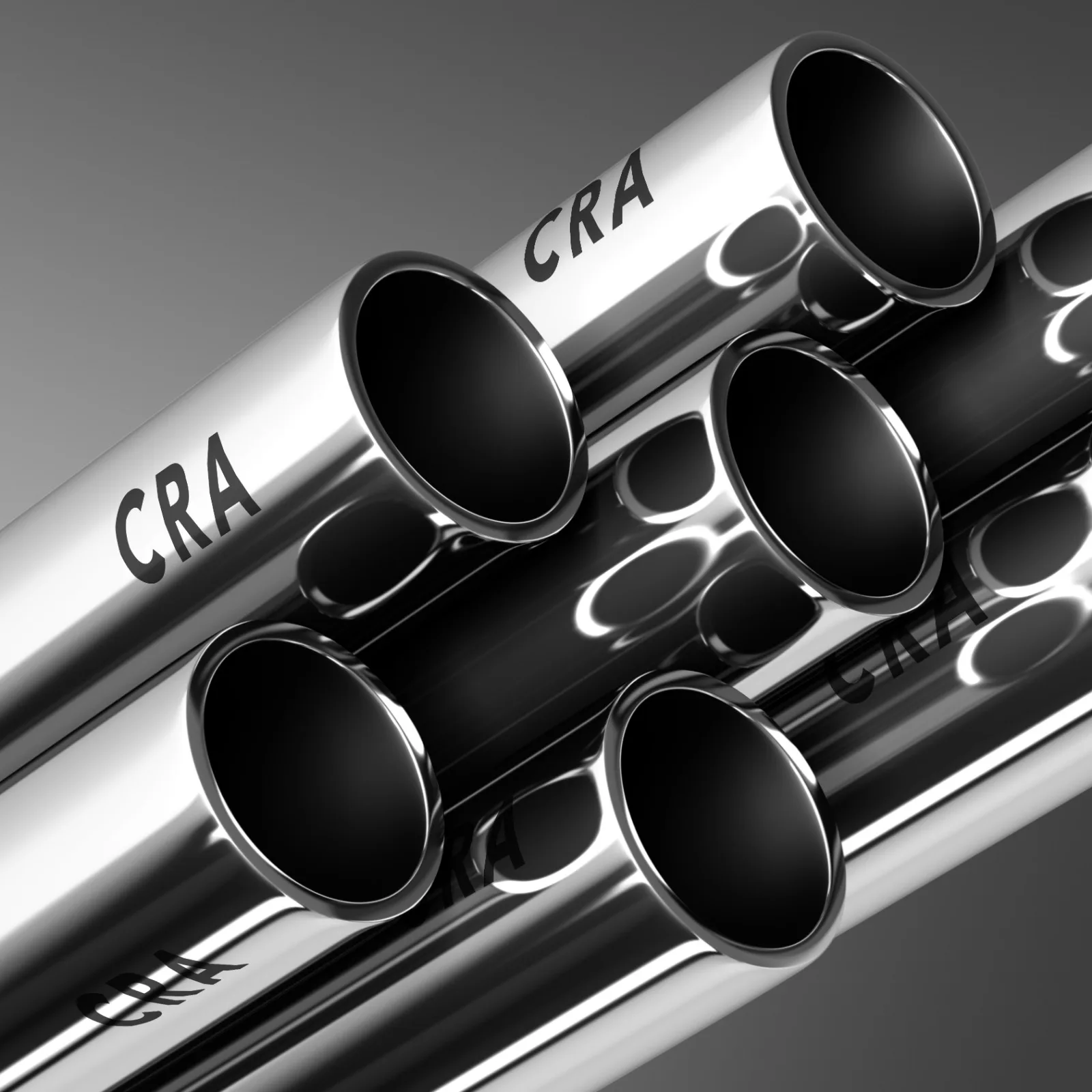
The cost of corrosion in India is estimated to be a staggering ₹2 trillion annually. By investing in corrosion-resistant steel, builders can prevent substantial future expenditures while ensuring the longevity of their structures. This is particularly relevant in projects that demand extended service life without frequent repairs.
4. Supplier Reputation and Certifications

With the construction industry’s growth, particularly in India, where infrastructure development is expected to grow by 5-6% annually, the demand for reliable suppliers has never been higher. Working with trusted suppliers ensures consistency and traceability of the steel used in your projects, which is key to meeting construction deadlines and quality expectations.
5. Sustainability and Eco-Friendliness
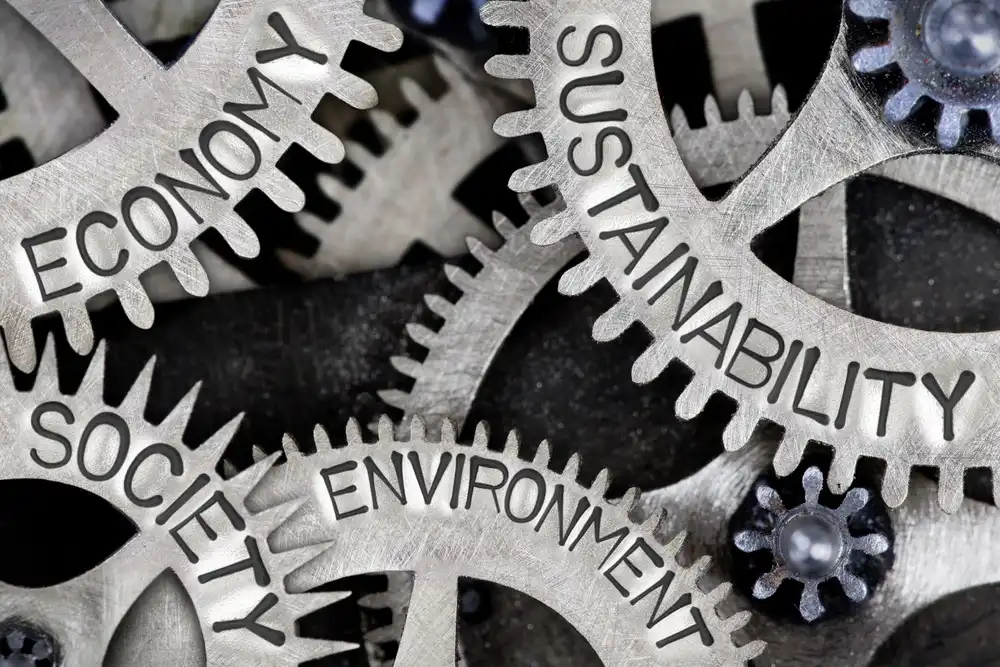
Globally, the steel industry is responsible for 7-9% of carbon emissions, but opting for recycled steel can reduce these emissions by as much as 70%. By selecting steel from manufacturers that prioritize recycling and energy-efficient production processes, developers can significantly reduce the environmental impact of their projects.
6. Pricing and Cost Efficiency
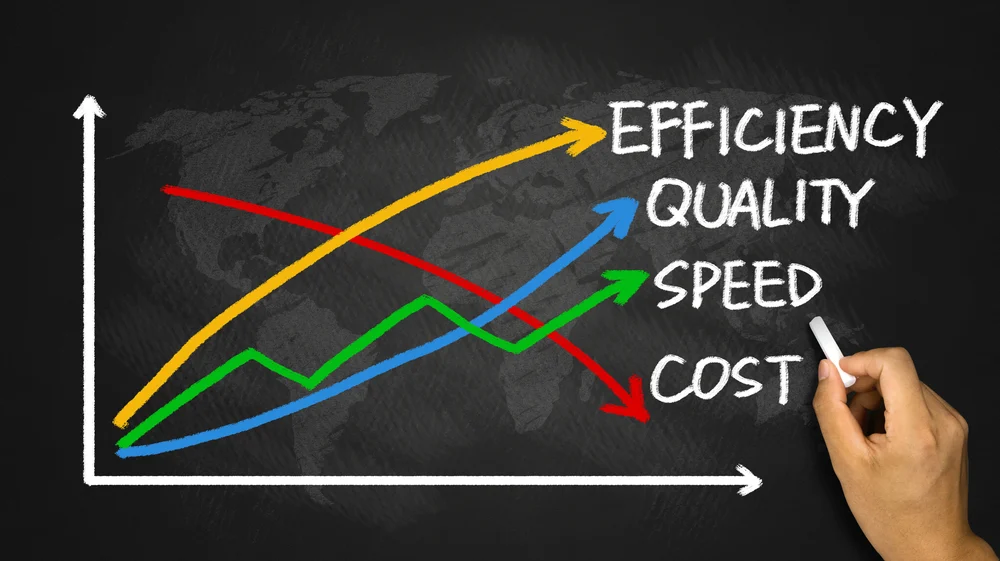
While cost is always a consideration, it’s important to remember that the cheapest option isn’t always the best. Opting for low-quality or uncertified steel may save costs initially but can lead to higher expenses down the line due to repairs, replacements, or even structural failures. High-quality steel, like TMT bars, may come with a higher upfront price, but their superior durability, flexibility, and resistance to corrosion provide long-term cost savings.
Performing a lifecycle cost analysis can reveal how investing in better steel reduces overall project costs by minimizing maintenance, enhancing durability, and ensuring compliance with construction standards. Namadeva Steel, for example, offers a wide range of high-quality steel products that strike a balance between affordability and superior performance.
Selecting the right steel for your construction project requires careful consideration of multiple factors such as grade, tensile strength, corrosion resistance, and supplier reliability. By focusing on these essential aspects, construction professionals can ensure they are choosing steel that will not only meet their current project needs but also provide long-term benefits in terms of safety, durability, and cost efficiency. Namadeva Steel’s commitment to quality and innovation makes it a trusted partner in this journey.