

What are MS Pipes?

Why choose MS Pipes:

Mild Steel (MS) pipes stand out as an ideal choice for a wide range of applications due to their exceptional combination of durability, cost-efficiency, and versatility. One of the key advantages of MS pipes is their ability to reduce the overall weight of material without compromising on strength. Despite their relatively higher thickness, MS pipes are engineered to deliver impressive tensile strength, ensuring they can withstand heavy loads, high pressure, and adverse conditions. This makes them a reliable choice for industries like construction, infrastructure, and automotive, where both strength and lightweight properties are crucial.
Types of MS Pipes
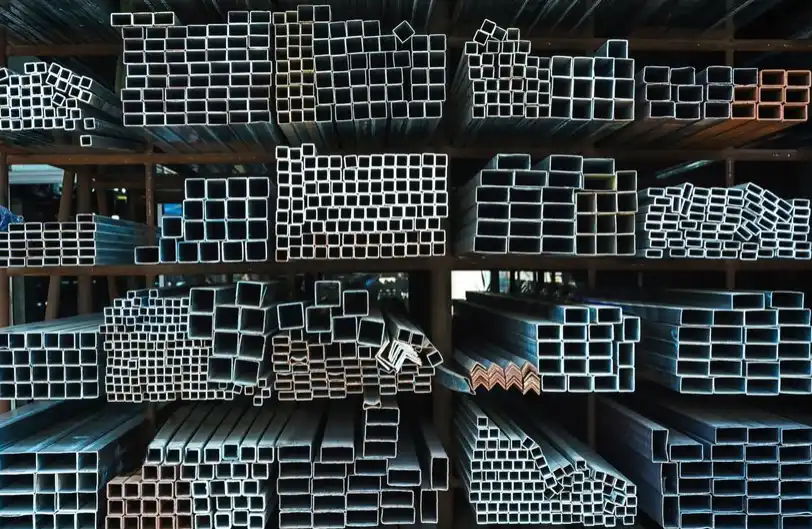
1. Hot Rolled (HR) Steel PipesHot rolled steel pipes are manufactured by rolling the steel at temperatures over 1,700°F, which is above the steel’s recrystallization temperature. This makes the steel easier to form and result in products that are easier to work with.
- Square HR Pipes: Often used in the framework of construction due to their strength and flexibility. They can also be a stylish element in furniture design.
- Rectangular HR Pipes: Commonly used in structural applications, including bridges, buildings, and constructions, providing a balance of strength and aesthetic appeal for architectural designs.
- Round HR Pipes: These are typically used for scaffolding, truss work, and other structural applications, such as machinery manufacturing. Their round shape is essential for withstanding internal pressures.
Cold rolled steel pipes are essentially hot rolled steel that has been further processed to increase its strength and improve its surface finish. This process involves rolling the steel at room temperature.
- Square CR Pipes: Ideal for applications where precision is crucial, such as in the manufacturing of high-end furniture or custom fixtures.
- Rectangular CR Pipes: Often utilized in the automotive industry and in the manufacturing of enclosures and frames that require tight tolerances and smooth finishes.
- Round CR Pipes: Used in applications that require a high degree of surface integrity and finish, such as in the fabrication of rollers or components that are visible in finished products.
- Oval CR Pipes: These are used in more specialized applications like automotive structural parts and furniture, where an aesthetic touch combined with strength is necessary.
3. Galvanized Iron (GI) Steel Pipes
- Square GI Pipes: Popular in the construction of railings, fencing, and other infrastructures where durability against environmental factors is critical.
- Rectangular GI Pipes: Commonly used in construction frameworks, especially in areas prone to corrosion. They also find applications in outdoor furniture designs.
- Round GI Pipes: They are widely used for water supply lines and also in outdoor furniture that requires longevity against weather conditions.
Hot Rolled (HR) | Square, Rectangular, Round | Construction frameworks, machinery manufacturing, plumbing
Cold Rolled (CR) | Square, Rectangular, Round, Oval | Precision applications in automotive, furniture, fixture manufacturing
Galvanized Iron (GI) | Square, Rectangular, Round | Outdoor structures, railings, fencing, water supply lines
Semicoil | Square, Rectangular, Round | Sustainable construction
This concise table summarizes the key types of MS Pipes, their features, and typical applications.
Applications of MS Pipes
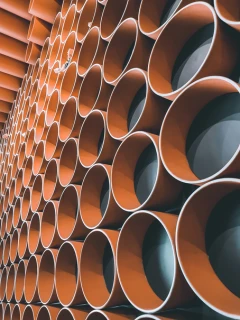
Mild Steel (MS) Pipes are highly versatile and find usage across numerous industries due to their strength, durability, and adaptability. Here are seven key applications:
Applications of MS Pipes in Construction, Furniture, and Design
1. Construction Industry
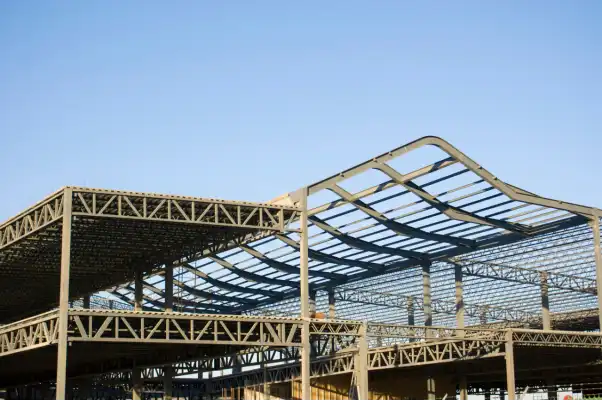
- Building Frameworks: MS pipes are used extensively in the construction of building frameworks, including the structural support for walls, floors, and ceilings. Their strength and flexibility make them ideal for both residential and commercial buildings.
- Roofing Structures: In roofing, MS pipes serve as purlins and trusses, providing essential support that can withstand heavy loads and environmental stress.
- Scaffolding and Shoring: Temporary structures such as scaffolding and shoring made from MS pipes are crucial during the construction and maintenance of buildings, ensuring worker safety and structural integrity.
2. Furniture Industry
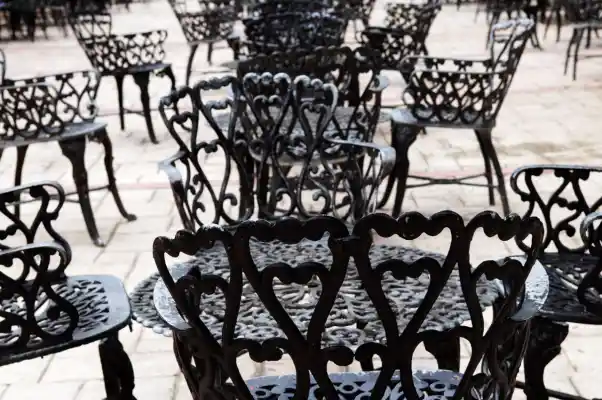
- Modern and Industrial Furniture: MS pipes are popular in the creation of modern and industrial-style furniture pieces, such as tables, chairs, and shelving units. Their sleek, metallic look complements minimalist and contemporary design themes.
- Custom Fixtures and Decorations: Designers often use MS pipes in custom fixtures like lamp stands, curtain rods, and wardrobe racks, exploiting their ability to be easily molded and welded into various shapes and sizes.
3. Design Industry
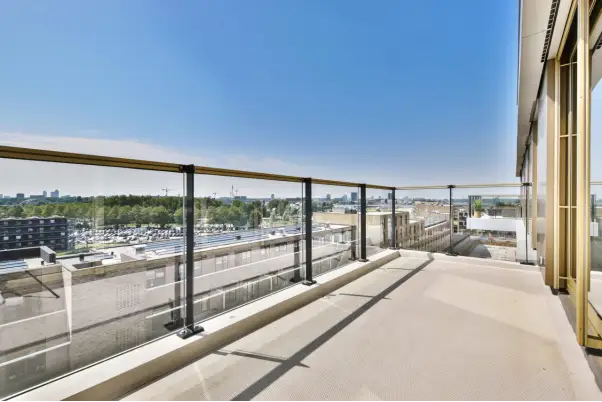
- Interior Design Elements: MS pipes are used to create various interior design elements such as stair handrails, guardrails, metal shelves and metal partition walls. They offer a blend of durability and style that is essential for modern interiors.
- Architectural Structures: In architecture, MS pipes are used to design canopies, elevation design, building entrances, building sheds, archways, and other intricate structures that require a combination of structural integrity and aesthetic appeal.
- Landscaping and Outdoor Decor: MS pipes are also used in landscaping and outdoor decorations, including garden pergolas, metal trellises, outdoor furniture, frames, gates, and fencing, providing long-lasting structures that are resistant to outdoor elements.
4. Plumbing and HVAC Systems
- Water Supply and Sewage: ERW MS pipes are frequently used for water supply lines and sewage systems because they provide a smooth, uniform diameter that is essential for minimizing friction losses and ensuring efficient water flow.
- Air Ducts: In HVAC systems, MS pipes are used to fabricate air ducts that facilitate effective air distribution throughout buildings, which is crucial for maintaining indoor air quality and comfort.
- Moisture-Prone Environments: Galvanized MS pipes, known for their corrosion resistance, are especially suited for use in areas exposed to moisture, which is common in plumbing applications.
5. Irrigation and Agricultural Systems

- Irrigation Pipelines: MS pipes are used in the construction of durable and efficient irrigation systems that require minimal maintenance and provide long-lasting service in agricultural fields.
- Greenhouses and Sheds: The structural strength of MS pipes makes them suitable for building sturdy frames for greenhouses and agricultural sheds, protecting plants and livestock from external elements.
6. Decorative and Aesthetic Applications
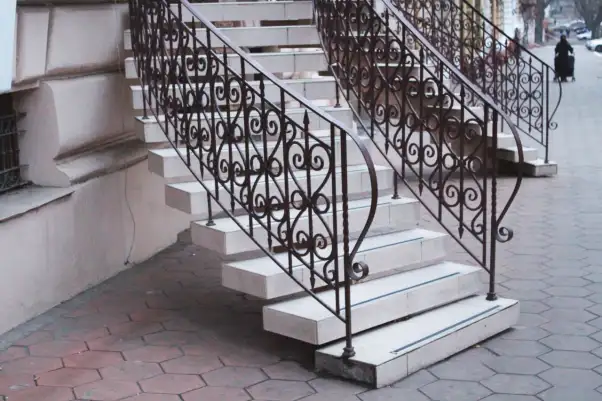
- Artistic Railings and Panels: Designers often choose MS pipes to create unique, artistic railings for staircases, balconies, and other architectural elements that combine safety with style.
- Industrial-Style Designs: In interior design, MS pipes are a popular choice for achieving an industrial look, used in making light fixtures, furniture, and decorative features that reflect a modern, urban aesthetic.
Things to consider while buying MS Pipes:

1. Weight and Length
MS Pipes are commonly sold by weight, measured in kilograms (KGs) or metric tons (MT). This method is ideal for bulk purchases, especially for large-scale industrial or construction projects. In some cases, they are sold by length, measured in meters or feet, which is often preferred for smaller or custom orders.
2. Thickness
The thickness of MS Pipes, also known as wall thickness, plays a significant role in determining their strength and application. It is measured in millimeters (mm) and typically ranges from 0.8 mm to 16 mm. Thinner pipes are suitable for lightweight applications, while thicker pipes are used in heavy-duty or high-pressure systems.
3. Diameter
MS Pipes are categorized by their diameter, including both inner diameter (ID) and outer diameter (OD). Standard sizes range from 12 mm to 500 mm or more, depending on the intended use.
4. Length
Standard lengths for MS Pipes are typically 6 meters. However, many suppliers offer custom lengths to meet specific project requirements, providing flexibility for specialized applications.
5. Grades and Standards
MS Pipes are sold according to specific grades, such as IS 1239, IS 3589, or ASTM A53. These grades ensure compliance with national and international standards for quality and performance. Higher grades are often used in critical applications where strength and durability are paramount.
6. Coating Options
MS Pipes are available in both uncoated and coated forms. Uncoated pipes, also known as black pipes, are economical and suitable for low-pressure uses. Galvanized pipes, coated with a layer of zinc, offer corrosion resistance and are ideal for outdoor and moisture-prone environments.
7. Shapes
MS Pipes are sold in various shapes, including round, square, and rectangular forms. Round pipes are the most versatile, while square and rectangular pipes are preferred for structural and decorative applications.
This range of selling options ensures that buyers can choose the right MS Pipes based on their specific needs, from lightweight applications to heavy-duty industrial use. By offering flexibility in weight, dimensions, and finishes, MS Pipes continues to meet the evolving demands of modern industries and infrastructure projects.
Unit of Sale | – Weight: Sold in kilograms (KGs) or metric tons (MT).- Length: Typically in meters or feet.
Thickness | – Measured as wall thickness in millimeters (mm).- Ranges from 0.8 mm to 16 mm, depending on application.
Diameter | – Inner Diameter (ID) and Outer Diameter (OD) specified.- Sizes range from 12 mm to 500 mm or more.
Length | – Standard lengths: 6 meters.- Custom lengths available based on requirements.
Shape | – Available in round, square, and rectangular shapes to suit specific uses.
This structure ensures that buyers can select pipes tailored to their needs, whether for structural, fluid transport, or decorative purposes.
Maintenance and Care for MS Pipes

MS Pipe Suppliers – Namadeva Steel Center
At Namadeva Steel Center, we are committed to being a trusted supplier of high-quality MS Pipes. We source our pipes from reliable manufacturers, ensuring compliance with national and international standards (IS, BS, API, ASTM, DIN). Our wide range of sizes, grades, and specifications caters to industries.
Frequently Answered Questions
What are MS Pipes used for?
- MS Pipes are widely used in various industries including plumbing, engineering, and construction. They are ideal for structural applications, piping systems, and fabrication due to their strength and ductility.
- MS Pipes are made from carbon steel and are more susceptible to corrosion than stainless steel pipes, which contain chromium that provides a corrosion-resistant layer. MS Pipes are generally less expensive and are favored for their weldability and machinability.
- Yes, MS Pipes can be used for drinking water supply, but they must be properly coated and maintained to prevent corrosion and ensure water quality.
- MS Pipes come in a variety of sizes and thicknesses, typically measured in terms of diameter and gauge. Common diameters range from 1/2 inch to 24 inches, with wall thicknesses depending on the application and pressure requirements.
- MS Pipes are manufactured using mild steel strips which are formed into a tube and welded longitudinally. They can be made by various methods including ERW (Electric Resistance Welded), seamless, or fabricated.
- The lifespan of MS Pipes varies depending on the environment and usage but typically ranges from 20 to 30 years. Proper maintenance and protection from corrosion can extend their lifespan significantly.
- MS Pipes are suitable for outdoor use if they are properly coated and protected against weather conditions and corrosion. Galvanizing or painting is recommended for outdoor applications.
- MS Pipes can handle moderately high temperatures but may lose strength and structural integrity if exposed to temperatures above 300°C. For high-temperature applications, alloy or stainless steel pipes might be more appropriate.
- Yes, MS Pipes can be repaired through welding, patching, or replacing sections. However, it’s important to assess the extent of damage and consult a professional to ensure structural integrity.
- To ensure the quality of MS Pipes, purchase from reputable manufacturers and suppliers who adhere to international standards like ISO or ASTM. Inspect for uniformity in thickness, smooth welding seams, and proper coating.
Build Stronger Projects with Premium MS Pipes
Choose high-quality MS Pipes from Namdev Infratech for construction, fabrication, plumbing, furniture, and industrial applications. We offer durable and precision-engineered MS Pipes in various sizes, shapes, and specifications to match your project requirements. Get reliable quality, competitive pricing, and timely delivery for every order.