

- Namdev Infratech
- Leave a Comment on Beams vs. Channels: Choosing the Right Steel Component for Your Project
Beams vs. Channels: Choosing the Right Steel Component for Your Project
Choosing between steel beams and channels is one of the most common decisions in structural construction. Both are essential steel components. However, they serve very different purposes. Picking the wrong one can compromise structural integrity — or unnecessarily drive up costs.
So, understanding beams vs. channels helps engineers, contractors, and fabricators make faster and more informed decisions. This guide explains what each component is, where each one performs best, and how to choose the right one for your project.
What Are Steel Beams?
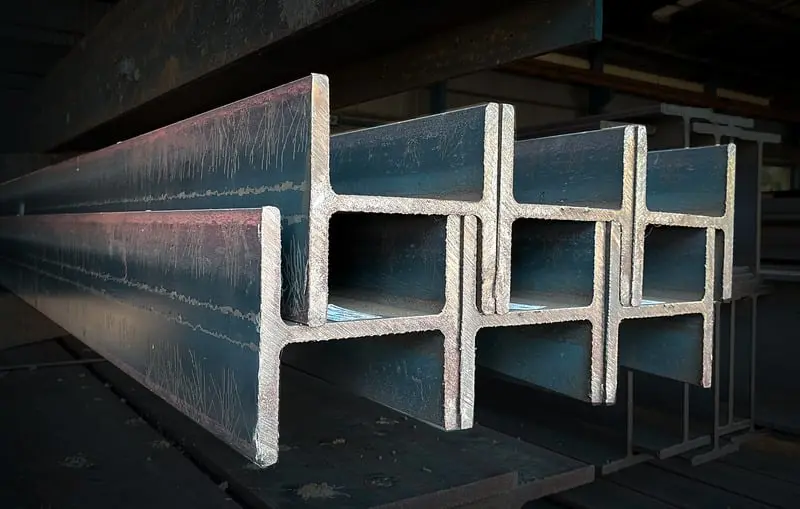
Steel beams are long, horizontal structural members. They carry and transfer heavy loads. Specifically, they work in bending — resisting downward forces and transferring them to vertical supports like columns or walls.
Shape and Profile
Beams come in an I-shape or H-shape. This cross-section is not accidental. The top and bottom flanges carry the bending stress. Meanwhile, the vertical web in the middle resists shear forces. Together, this geometry maximises load-bearing capacity while using material efficiently.
The most common types are:
- I-Beams (ISMB): Standard sections with tapered flanges. Widely used across Indian construction projects.
- Wide Flange Beams (H-Beams): Broader flanges for higher load capacity and better stability under multi-directional loads.
- Universal Beams (UB): Common in large-scale commercial and industrial construction.
Key Advantages of Steel Beams
- Carries extremely heavy loads over long spans
- Resists bending with high efficiency
- Suitable for multi-storey and large-scale structures
- Available in standardised sizes for easy specification
Where Are Beams Used?
- Bridges and flyovers
- Skyscrapers and multi-storey buildings
- Industrial sheds and warehouses
- Heavy equipment platforms
- Foundation grillages
What Are Steel Channels?
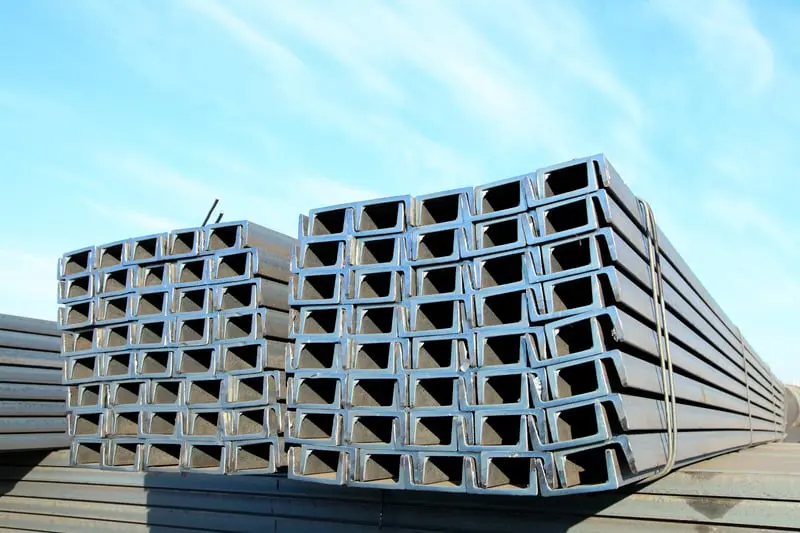
Steel channels — also called C-channels, U-channels, or MS channels — are structural steel sections with one open side. They have a vertical web and two horizontal flanges projecting in the same direction. As a result, they form a distinctive C or U profile.
Channels are lighter than beams. They do not carry the same heavy loads. However, they offer excellent versatility. Their open profile makes them easy to bolt, weld, or rivet to other structural members. Therefore, they are a go-to choice for framing, bracing, and secondary support applications.
Key Advantages of Steel Channels
- Lighter weight reduces overall structural load
- Easy to cut, weld, and fabricate on-site
- Cost-effective for medium and light-duty applications
- Fits into tight spaces where beams would be oversized
- Works well as secondary framing connected to primary beam structures
Where Are Channels Used?
- Wall and roof framing
- Window and door frames
- Machinery bases and equipment supports
- Vehicle chassis and trailers
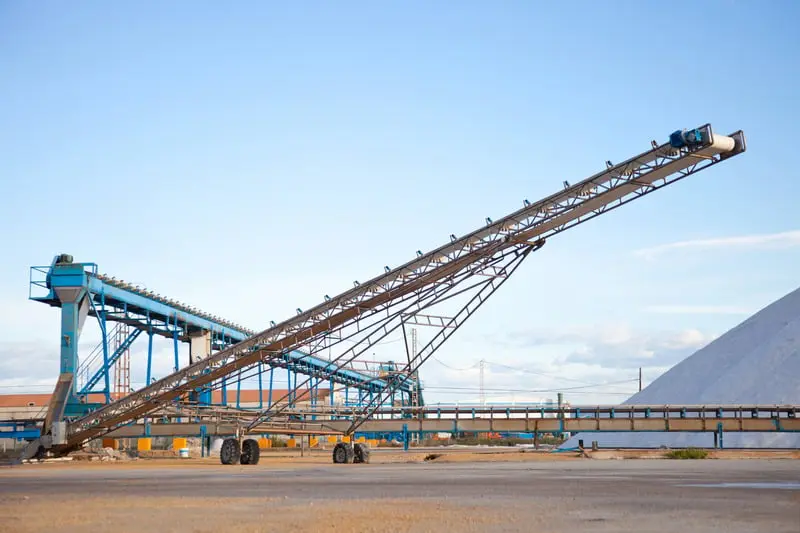
- Conveyor systems and industrial racking
- Purlins and girts in pre-engineered buildings
- Cable trays and electrical conduit supports
Key Differences Between Beams and Channels
| Feature | Steel Beams | Steel Channels |
|---|---|---|
| Profile Shape | I or H | C or U (Open Side) |
| Load Capacity | Very High | Moderate |
| Weight | Heavier | Lighter |
| Span Capability | Long Spans | Short to Medium Spans |
| Primary Use | Load-Bearing Structures | Framing and Secondary Support |
| Fabrication Ease | Requires Heavy Equipment | Easy to Cut, Weld, and Bolt |
| Cost | Higher | More Economical |
| Torsional Resistance | Moderate | Lower |
| Best For | Bridges, High-Rises, Industrial Frames | Framing, Bracing, Lightweight Structures |
When to Use Steel Beams
Use steel beams when your project involves:
Heavy load requirements. Beams handle loads that channels simply cannot. So, if your structure needs to support floors, roofs, or heavy equipment, beams are the correct choice.
Long unsupported spans. Beams maintain structural integrity over long distances without intermediate supports. In contrast, channels lose effectiveness over longer spans and risk twisting under load.
Primary structural framing. Any member that forms the backbone of a building or bridge must be a beam. This includes floor beams, roof beams, and column-to-column spanning members.
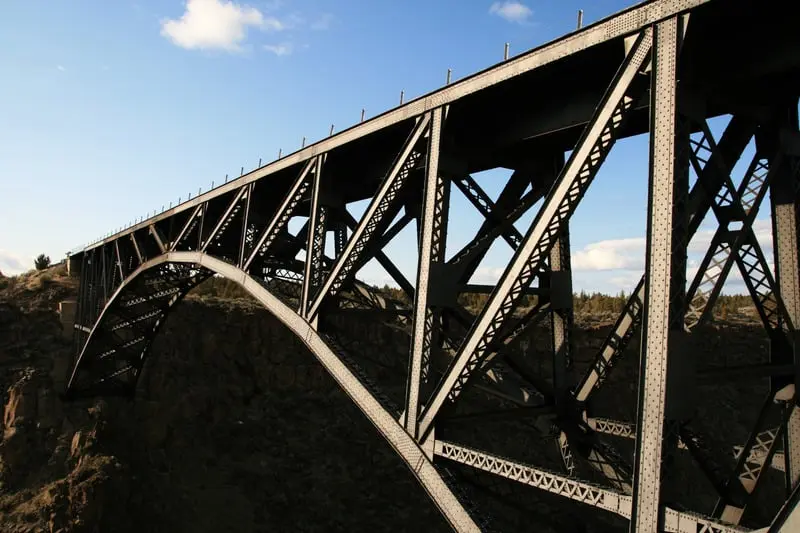
Critical infrastructure. Bridges, flyovers, crane gantries, and multi-storey buildings all demand beam sections. Therefore, under-specifying here can have severe structural consequences.
When to Use Steel Channels
Use steel channels when your project involves:
Light to medium loads. Channels work efficiently where loads are manageable. Forcing a beam into a light-duty application wastes material and increases costs.
Framing and secondary support. Channels excel at framing walls, supporting roof purlins, and creating the secondary skeleton that connects to primary beam structures. In other words, they act as the connective tissue of a steel-framed building.
Cost-sensitive projects. Channels cost less per tonne than equivalent beam sections. So, for projects where economy matters and loads are not extreme, channels deliver strong performance at lower cost.
Compact or complex shapes. The C-profile slots neatly into corners, brackets, and tight spaces. As a result, channels are highly useful in machinery, vehicle frames, and custom fabrication where space is limited.
On-site fabrication. Channels are simpler to cut and weld than heavy beam sections. Consequently, on projects where on-site modifications are likely, channels reduce fabrication time and effort.How Beams and Channels Work Together
In most real-world construction projects, beams and channels do not compete — they complement each other. Understanding this relationship helps you plan a more efficient and cost-effective structure.
Here is how this works in practice.
A typical industrial shed uses beams as the primary load-bearing members. The ridge beam, rafter beams, and column connection beams carry the main structural loads. Channels then serve as purlins between rafters, girts between columns, and framing members around openings. Together, they create a complete structural system. The beams carry the load. The channels distribute it and hold the cladding.
Similarly, in a multi-storey building, floor beams span between columns and carry floor loads. Channels then frame out partitions, support secondary elements, and create the sub-structure for raised floors, false ceilings, and service routes.
This complementary approach also reduces cost. Using beams everywhere would be over-engineered and expensive. Using only channels would be structurally inadequate. Therefore, combining them correctly gives you optimal performance at optimal cost.
Common Mistakes to Avoid
Over-specifying beams for light applications. This is a cost mistake. Using heavy beam sections for secondary framing adds unnecessary weight and expense. Channels are the right tool for these situations.
Ignoring torsional resistance. Channels have an open profile. Under certain loading conditions, they can twist. So, if your application involves eccentric or torsional forces, account for this in the design — or switch to a closed section like a hollow rectangular section (RHS).
Mixing steel grades without engineering review. Different steel grades have different weld properties and yield strengths. Therefore, mixing grades on a project without engineering oversight can create weak points at connections.
Structural Steel Supply in Bengaluru
For construction and fabrication projects in Bengaluru and across Karnataka, sourcing quality steel from a reliable local supplier is critical. It directly affects both project timelines and structural quality.
Namdev Infratech stocks a comprehensive range of structural steel sections at its Singasandra and Bommasandra facilities. This includes ISMB I-beams, ISMC C-channels, and a range of flat, angle, and hollow sections for every construction requirement.
We supply steel for industrial sheds, commercial buildings, residential structures, pre-engineered buildings, and custom fabrication projects. Moreover, our team helps you identify the right section and grade for your specific application — reducing the risk of over or under-specifying.
Explore our structural steel products →
Contact our team in Bengaluru →