
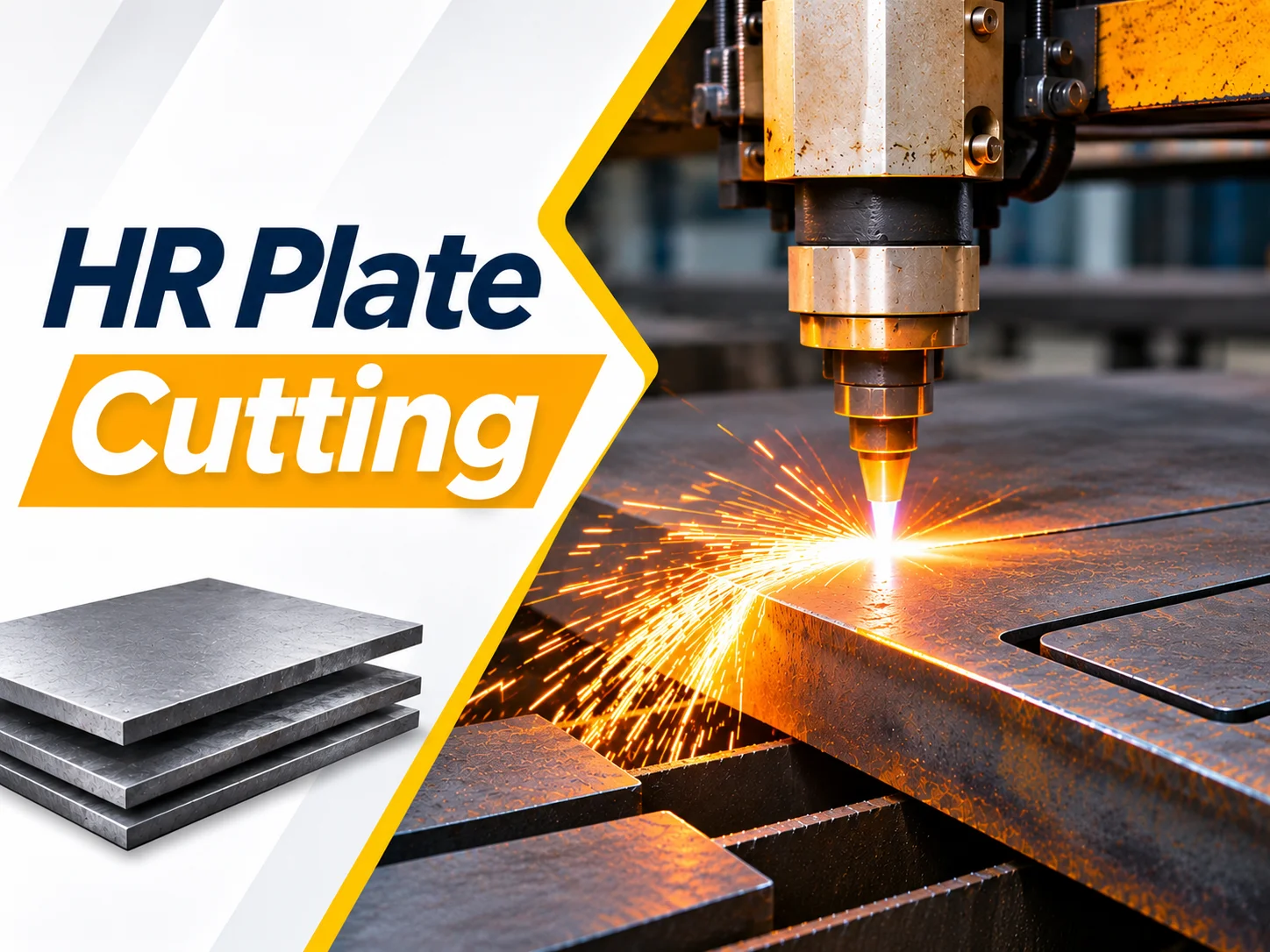
HR Plate Cutting: Applications, Benefits & How to Prepare Your Cutting List
Looking for reliable HR plate cutting services in Bangalore for your construction, fabrication or industrial project? Hot rolled (HR) steel plates are widely used to manufacture structural components, machine parts, support plates, brackets and custom metal products. However, many projects require plates to be cut into specific dimensions and shapes before fabrication or installation.
HR plate cutting helps convert large steel plates into project-specific components according to approved drawings and measurements. Whether you need rectangular plates, base plates, gusset plates or customised profiles, accurate cutting helps prepare the material for the next stage of fabrication.
Namdev Infratech provides HR plate cutting services in Bangalore, along with steel supply and fabrication solutions. By sharing your plate specifications, drawings and cutting list, you can discuss suitable cutting requirements for your project.
Quick answer: HR plate cutting is the process of cutting hot rolled steel plates into required sizes, dimensions and shapes for construction, structural fabrication, machinery and industrial applications. It helps prepare steel components according to project drawings, improves material utilisation and reduces additional cutting work at the fabrication site. Before requesting a quotation, prepare a cutting list with plate thickness, material grade, dimensions, quantity, drawing references and delivery requirements.
Table of Contents
- What Is HR Plate Cutting?
- What Are HR Steel Plates?
- Applications of HR Plate Cutting
- Benefits of HR Plate Cutting
- HR Plate Cutting Methods
- How to Prepare an HR Plate Cutting List
- HR Plate Cutting List Example
- Factors That Affect Cutting Accuracy
- How to Choose HR Plate Cutting Services in Bangalore
- Factors That Affect HR Plate Cutting Costs
- HR Plate Cutting Services at Namdev Infratech
- What to Share When Requesting an HR Plate Cutting Quotation
- Frequently Asked Questions
What Is HR Plate Cutting?
HR plate cutting refers to cutting hot rolled steel plates into specified dimensions, shapes and profiles based on project requirements. It is an important step in steel fabrication because different components require different sizes and shapes of plate material.
For example, a structural fabrication project may require base plates, gusset plates, stiffeners and connection plates. Similarly, industrial projects may need customised steel components for machinery, equipment supports and fabricated assemblies.
Instead of purchasing large plates and arranging all cutting work separately, buyers can discuss their cutting requirements with a steel supplier or fabrication company that provides suitable plate cutting facilities.
Common HR Plate Cutting Requirements
- Rectangular cutting: Cutting plates into specified length and width dimensions.
- Profile cutting: Producing customised shapes according to engineering drawings.
- Base plate cutting: Preparing plates for structural columns and support assemblies.
- Gusset plate cutting: Producing connection components for steel structures.
- Bracket cutting: Preparing plates for brackets, supports and mounting components.
- Component cutting: Producing individual parts for machinery and general fabrication.
The cutting method and specifications depend on plate thickness, material grade, shape complexity and the required dimensional accuracy. Therefore, provide clear technical details before starting the work.
What Are HR Steel Plates?
HR stands for hot rolled. HR steel plates are manufactured through a hot rolling process in which steel is processed at high temperatures and formed into flat plate products.
These plates are commonly used in construction, industrial manufacturing, structural fabrication and engineering applications. Their availability in different thicknesses and dimensions makes them suitable for producing a wide range of steel components.
HR describes the manufacturing process, while the steel grade identifies the material specification. Therefore, buyers should confirm both the required grade and plate dimensions when placing an order.
Common Characteristics of HR Plates
- Multiple thickness options: Available in different thicknesses for varied fabrication requirements.
- Fabrication suitability: Can be processed through suitable cutting, drilling, welding and forming operations.
- Structural applications: Used in components that form part of steel structures and support assemblies.
- Custom dimensions: Can be cut into required sizes and profiles based on project drawings.
- Industrial use: Suitable for machinery, equipment, platforms and general engineering applications.
However, the correct plate specification should always be selected according to the approved design and engineering requirements. Do not choose thickness or grade based only on appearance or price.
Applications of HR Plate Cutting
HR plate cutting is used across construction, infrastructure, industrial manufacturing and general fabrication. It helps convert standard steel plates into components required for specific project applications.
1. Structural Steel Fabrication
Cut HR plates are used for base plates, gusset plates, stiffeners and connection components. These parts support the assembly of structural steel frameworks according to engineering drawings.
2. Industrial Sheds and Warehouses
Industrial shed and warehouse projects require different steel components for columns, supports, connections and structural assemblies. HR plate cutting helps prepare these components to specified dimensions.
3. Machinery Manufacturing
Machinery manufacturers use cut steel plates for machine bases, mounting plates, brackets, frames and equipment components. Custom cutting helps prepare parts for further machining and assembly.
4. Equipment Supports and Bases
Industrial equipment may require steel base plates, mounting supports and reinforcement components. These parts can be cut according to equipment drawings and installation requirements.
5. Infrastructure Projects
Infrastructure and construction projects use fabricated steel components for platforms, supports, connections and other assemblies. Plate cutting helps prepare the required parts before fabrication.
6. General Metal Fabrication
Fabricators use cut HR plates to manufacture brackets, frames, supports, covers, base components and customised metal products for commercial and industrial requirements.
7. Tanks and Industrial Enclosures
Steel plates can be cut into panels and components used in tanks, enclosures and other fabricated assemblies. Material grade and thickness should match the design specifications.
8. Custom Engineering Components
Engineering projects often require non-standard plate shapes and dimensions. Profile cutting helps prepare customised components from approved drawings and digital designs.
In each application, the plate grade, thickness, cutting dimensions and fabrication requirements should be confirmed before processing. This helps ensure that the prepared components match the intended use.
Benefits of HR Plate Cutting
Accurate HR plate cutting supports better coordination between steel procurement and fabrication. It also helps buyers prepare components according to project requirements instead of carrying out every cutting activity at the installation site.
1. Accurate Dimensions
Cutting according to approved drawings helps produce components with the specified length, width and shape. This supports better alignment during fabrication and assembly.
2. Better Material Utilisation
A planned cutting layout can help use the available plate area more efficiently. It also helps identify the material requirement before processing begins.
3. Reduced On-Site Cutting Work
When components are prepared in advance, fabricators can reduce the amount of cutting work required at the project site. This can simplify site coordination.
4. Support for Custom Shapes
Suitable cutting methods can produce rectangular pieces, profiles and other customised shapes according to project drawings.
5. Improved Fabrication Planning
A clear cutting list helps organise component quantities, dimensions and processing requirements. As a result, the fabrication team can plan the next stages more effectively.
6. Easier Project Coordination
Sharing drawings and cutting specifications in advance helps suppliers and fabricators understand the project scope and clarify technical requirements before processing.
These benefits depend on the quality of the cutting list, material specifications, cutting method and inspection process. Therefore, accurate project information is essential for achieving the required result.
HR Plate Cutting Methods
Different cutting methods are used for steel plates depending on the material thickness, shape, production requirements and required edge quality. The suitable method should be selected after reviewing the plate specification and cutting drawing.
1. Plasma Cutting
Plasma cutting uses a high-temperature plasma arc to cut electrically conductive metals. It is commonly considered for steel plate cutting where the required thickness and profile are suitable for the equipment.
2. Oxy-Fuel Cutting
Oxy-fuel cutting uses a flame and oxygen stream to cut suitable steel materials. It is generally considered for thicker steel sections and plate applications where the process is appropriate.
3. Laser Cutting
Laser cutting uses a focused laser beam to cut material according to programmed designs. It is suitable for applications that require detailed profiles and precision, subject to the machine's material and thickness capacity.
4. Mechanical Cutting
Mechanical cutting methods, including shearing, use mechanical force to cut metal into required dimensions. These methods are generally suitable for specific shapes, material thicknesses and production requirements.
| Cutting Method | General Application | Selection Consideration |
|---|---|---|
| Plasma Cutting | Steel plate profiles and components | Thickness, edge quality and profile requirements |
| Oxy-Fuel Cutting | Suitable thicker steel plate applications | Material specification and cutting requirements |
| Laser Cutting | Detailed profiles and precision components | Machine capacity, thickness and design complexity |
| Mechanical Cutting | Straight cuts and suitable standard dimensions | Plate thickness, dimensions and equipment capacity |
Not every method is suitable for every plate thickness or profile. Therefore, share your material details and cutting drawings with the service provider to confirm the appropriate process.
How to Prepare an HR Plate Cutting List
An HR plate cutting list is a document that specifies the sizes, shapes and quantities of components to be cut from steel plates. It helps the supplier or cutting team understand the material requirement and prepare the components according to the project drawings.
A well-prepared cutting list reduces confusion, avoids repeated clarification and supports better material planning. Whether you are a contractor, fabricator, engineer or industrial buyer, include the following details.
1. Mention the Material Grade
Specify the required HR plate grade according to the approved project drawings or technical specifications. If you are unsure about the grade, share the relevant drawing or material specification with the supplier for clarification.
2. Specify Plate Thickness
Clearly mention the required thickness for each component or group of components. Use millimetres (mm) consistently and avoid mixing measurement units.
3. Provide Length and Width
List the required component length and width. For non-rectangular components, provide a drawing with the required profile and dimensions.
4. Mention the Quantity
Specify the number of pieces required for every size. If several components have the same dimensions, group them into one line item and mention the total quantity.
5. Attach Cutting Drawings
For profile cutting or components with holes, slots, curves and special shapes, attach clear technical drawings. CAD files or approved PDF drawings can help explain the required geometry.
6. Specify Tolerances and Edge Requirements
If your project has dimensional tolerances, edge finish or other inspection requirements, mention them clearly. These should follow the approved engineering specifications.
7. Mention Cutting and Processing Requirements
Specify whether the requirement includes only cutting or additional activities such as drilling, beveling, welding, grinding or other fabrication work. Confirm the scope with the service provider.
8. Provide Delivery Details
Include the delivery location, expected schedule and any special handling requirements. This helps the supplier understand the logistics involved in preparing and dispatching the cut components.
Before submitting the cutting list, check that all dimensions, quantities and drawing references are correct. Furthermore, ensure that the latest approved drawing revision is shared with the cutting team.
HR Plate Cutting List Example
The following table shows a simple example of how to organise an HR plate cutting list for a fabrication project. The dimensions and quantities are illustrative only and should not be treated as engineering specifications.
| Sl. No. | Component Name | Thickness (mm) | Length (mm) | Width (mm) | Quantity |
|---|---|---|---|---|---|
| 1 | Base Plate | 12 | 300 | 300 | 8 |
| 2 | Gusset Plate | 10 | 250 | 200 | 12 |
| 3 | Support Plate | 8 | 200 | 150 | 10 |
| 4 | Connection Plate | 12 | 250 | 150 | 6 |
Additional Details to Include
- Material grade and applicable standard.
- Required plate thickness and dimensions.
- Drawing number and revision number.
- Required cutting profile and tolerances.
- Hole diameter, position and spacing, if applicable.
- Edge finishing and additional processing requirements.
- Total quantity and delivery location.
Practical tip: If your project has multiple component shapes, attach a separate drawing for each profile and use matching item numbers in the cutting list. This makes it easier to identify each component during processing and inspection.
Factors That Affect HR Plate Cutting Accuracy
Cutting accuracy depends on several technical and operational factors. Providing clear specifications and reviewing the cutting requirements before processing helps reduce errors and unnecessary rework.
1. Plate Thickness
The thickness of the HR plate influences the cutting method, machine settings and processing requirements. Confirm that the selected equipment is suitable for the specified thickness.
2. Material Grade
Different steel grades can have different material characteristics. Therefore, provide the correct material grade so that the cutting process can be planned appropriately.
3. Drawing Accuracy
Incorrect or incomplete drawings can lead to dimensional errors. Ensure that the drawings contain the required measurements, profiles and revision details.
4. Cutting Method
The selected cutting method affects the cutting edge, achievable detail and processing suitability. The method should match the plate thickness and required component geometry.
5. Dimensional Tolerances
Some fabrication components require specific dimensional tolerances. Mention these requirements clearly instead of assuming that every component has the same tolerance.
6. Material Handling
Proper plate handling and positioning help maintain the required alignment during cutting. This is especially important when processing multiple components from a larger plate.
7. Inspection Requirements
Define the inspection requirements for dimensions, profile, cut edges and component quantity. This helps the team check the finished parts against the approved cutting list.
For project-specific cutting requirements, provide the complete drawing and material specification before confirming the order.
How to Choose HR Plate Cutting Services in Bangalore
Several steel suppliers and fabrication companies serve construction and industrial requirements in Bangalore. However, their material availability, processing capabilities and project support can differ. Therefore, compare service providers based on your actual cutting requirements.
Material Supply
Check whether the supplier can arrange the required HR plate grade, thickness, dimensions and quantity for your project.
Cutting Capabilities
Discuss the available cutting methods and confirm whether the equipment is suitable for your plate thickness and component profiles.
Drawing-Based Processing
Choose a service provider that can review technical drawings, cutting lists and component dimensions before processing.
Dimensional Requirements
Discuss the required tolerances, edge quality and inspection expectations for your fabricated components.
Quotation Transparency
Compare material costs, cutting charges, additional processing, applicable taxes and transportation expenses.
Delivery Coordination
Confirm the expected processing schedule, dispatch arrangements and delivery requirements before placing the order.
In addition, consider whether the supplier can support related steel procurement and fabrication requirements. Coordinating material supply and cutting through one provider may simplify communication and project planning.
Factors That Affect HR Plate Cutting Costs
HR plate cutting costs depend on the material specification, plate dimensions, cutting method and processing requirements. Therefore, the final quotation should be based on the actual cutting list and project drawings.
1. Material Grade
The selected steel grade influences the material cost. Specify the required grade and applicable standard when requesting a quotation.
2. Plate Thickness
Thickness affects material weight, equipment suitability and cutting requirements. Different thicknesses may involve different processing considerations.
3. Plate Dimensions
The length, width and total number of plates determine the material requirement. Custom dimensions may also influence material planning.
4. Cutting Length and Profile Complexity
The total cutting length and shape complexity can influence processing time. Components with detailed profiles may require additional programming and cutting work.
5. Cutting Method
Different cutting methods have different equipment and operating requirements. The suitable process depends on the material, thickness, geometry and required edge quality.
6. Quantity of Components
The number of components and total order size can influence production planning and processing costs. Provide the complete quantity list for a relevant quotation.
7. Additional Processing
Drilling, beveling, grinding, welding and other fabrication activities may add to the total cost. Clarify whether these activities are included in the cutting requirement.
8. Transportation and Delivery
Plate dimensions, finished component weight, delivery distance and site accessibility can influence transportation arrangements and costs.
Buying tip: Compare the complete quotation rather than only the cutting rate. Confirm material grade, plate thickness, cutting scope, additional processing, taxes and delivery charges before finalising the order.
HR Plate Cutting Services at Namdev Infratech
Namdev Infratech is a steel supplier and fabrication company based in Bangalore. Established in 2003, the company supports construction, industrial, commercial and fabrication requirements through its steel product range and related services.
For customers looking for HR plate cutting services in Bangalore, Namdev Infratech provides plate cutting capabilities for project-specific requirements. The team can discuss cutting requirements based on plate specifications, dimensions, drawings and cutting lists.
Why Consider Namdev Infratech for HR Plate Cutting?
- Established experience: Supporting steel supply and fabrication requirements in Bangalore since 2003.
- HR plate cutting: Cutting hot rolled steel plates according to project drawings, dimensions and cutting requirements.
- Steel product range: Access structural steel products, including MS plates and other materials for construction and fabrication requirements.
- Related fabrication services: Support for structural fabrication, general fabrication and custom metalwork requirements.
- Project-specific coordination: Share your drawings, cutting list and material specifications to discuss the required scope.
- Integrated steel solutions: Discuss material supply and related processing requirements with one team.
What You Can Discuss with the Namdev Infratech Team
- HR plate specifications and required thickness.
- Cutting dimensions and component quantities.
- Profile cutting requirements based on drawings.
- Material supply and availability.
- Related fabrication and processing requirements.
- Quotation, delivery schedule and project coordination.
Whether you are a contractor, structural fabricator, industrial buyer or project developer, share your cutting list and technical drawings to discuss suitable HR plate cutting options.
Explore related services and resources:
- Steel Supply and Fabrication at Namdev Infratech
- MS Plate Suppliers in Bangalore
- Laser Cutting Services in Bangalore
- Fabrication Services in Bangalore
- Structural Fabrication
- Our Work and Fabrication Projects
For exact cutting specifications, processing options and current material availability, contact Namdev Infratech directly.
What to Share When Requesting an HR Plate Cutting Quotation
Providing complete project details helps the supplier understand your requirements and prepare a relevant quotation. Therefore, keep the following information ready before contacting an HR plate cutting service provider in Bangalore.
- Material Type: Specify that you require hot rolled steel plates.
- Material Grade: Mention the grade and applicable standard from your technical documents.
- Plate Thickness: Provide the required thickness in millimetres.
- Plate Dimensions: Share the required length and width of the plates.
- Cutting List: Provide component names, dimensions and quantities.
- Technical Drawings: Attach approved drawings, CAD files or PDF profiles for customised shapes.
- Cutting Tolerances: Mention the required dimensional tolerances and inspection criteria.
- Additional Processing: Specify drilling, beveling, grinding or other fabrication requirements.
- Quantity: Mention the total number of components and estimated material requirement.
- Delivery Location: Provide the project site or delivery address.
- Required Schedule: Mention your expected processing and delivery timeline.
Additionally, share the latest approved drawing revision and ensure that the cutting list matches the drawings. This helps the supplier review the requirement and clarify any missing information before processing.
Conclusion
HR plate cutting is an important part of structural steel fabrication, industrial manufacturing and general engineering. From base plates and gusset plates to machinery components and customised profiles, accurately cut steel plates help prepare components for their intended applications.
However, successful plate cutting starts with clear material specifications, accurate dimensions and a properly prepared cutting list. Furthermore, selecting a suitable cutting method and coordinating with an experienced service provider can simplify material procurement and fabrication planning.
For businesses looking for HR plate cutting services in Bangalore, Namdev Infratech offers HR plate cutting capabilities along with steel supply and related fabrication services.
Share your plate specifications, drawings and cutting list with Namdev Infratech to discuss your next steel fabrication requirement.
Frequently Asked Questions
1. What is HR plate cutting?
HR plate cutting is the process of cutting hot rolled steel plates into required dimensions, shapes and profiles for construction, fabrication, machinery and industrial applications.
2. What does HR mean in steel plates?
HR stands for hot rolled. It refers to the manufacturing process used to produce the steel plate. Buyers should also confirm the required material grade and specification when ordering.
3. What are HR plates used for?
HR plates are used for structural components, base plates, gusset plates, machine bases, equipment supports, industrial enclosures, platforms and general fabrication applications.
4. What is an HR plate cutting list?
An HR plate cutting list is a document containing the required component dimensions, thicknesses, quantities and drawing references. It helps the cutting team understand the material and processing requirements.
5. What information should be included in a cutting list?
Include the material grade, plate thickness, component name, length, width, quantity, drawing reference, tolerances and any additional processing requirements. Attach technical drawings for customised profiles.
6. Which cutting methods are used for HR plates?
Depending on plate thickness and project requirements, methods may include plasma cutting, oxy-fuel cutting, laser cutting and mechanical cutting. The suitable process should be confirmed with the service provider.
7. What factors affect HR plate cutting costs?
Material grade, plate thickness, dimensions, cutting length, profile complexity, cutting method, component quantity, additional processing and transportation can influence the final quotation.
8. Can HR plates be cut into custom shapes?
Yes. Suitable cutting processes can produce custom shapes and profiles according to approved drawings. Share your CAD file, PDF drawing or component dimensions to discuss the cutting requirement.
9. How can I reduce material wastage during plate cutting?
Prepare an accurate cutting list, group components with matching thicknesses and dimensions, and review the cutting layout before processing. A planned layout can help improve material utilisation.
10. What is the difference between HR plates and MS plates?
HR refers to the hot rolling manufacturing process, while MS refers to mild steel as a material category. Many mild steel plates are supplied in hot rolled form. Always confirm the exact grade and product specification.
11. Does Namdev Infratech provide HR plate cutting in Bangalore?
Yes. Namdev Infratech offers HR plate cutting capabilities in Bangalore. Customers can share their plate specifications, dimensions and drawings to discuss suitable cutting requirements.
12. Can I request steel supply along with HR plate cutting?
Namdev Infratech supplies structural steel products, including MS plates, and offers HR plate cutting capabilities. Contact the team to discuss material specifications, current availability and processing requirements.
13. What documents should I share for a plate cutting quotation?
Share the cutting list, material specification, plate dimensions, component quantities and approved technical drawings. CAD files or PDF drawings can help explain customised profiles and dimensions.
14. How can I contact Namdev Infratech for HR plate cutting?
Visit the Namdev Infratech contact page or call +91 99162 25677 to discuss your HR plate cutting and steel supply requirements.
Looking for HR Plate Cutting Services in Bangalore?
Need hot rolled steel plates cut according to your project drawings? Share your material specifications, cutting list and quantity requirements with Namdev Infratech to discuss your project.
Request a Free Quote Call +91 99162 25677