
What are MS Channels?
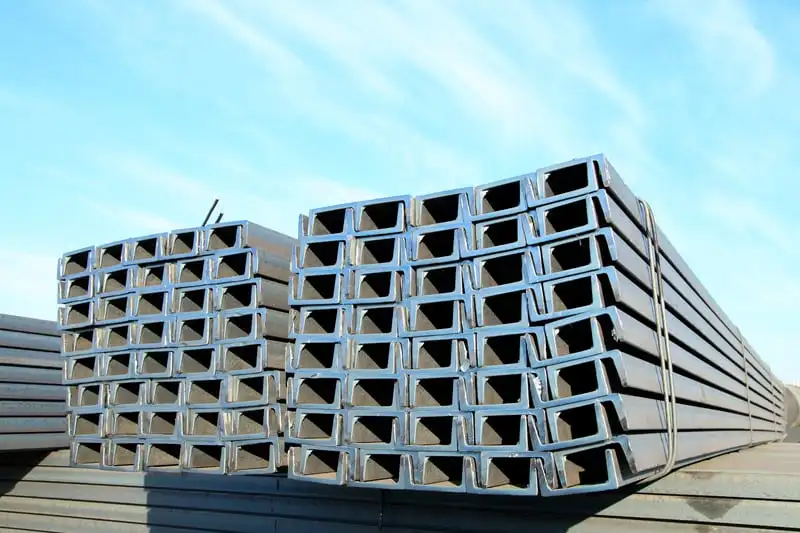
MS Channels are structural steel components with a distinctive “C”-shaped cross-section. Builders and fabricators use them widely across construction, manufacturing, and infrastructure projects. Because of their shape, they provide excellent resistance to bending and shear forces simultaneously.
Mild steel channels come in several profiles and sizes. As a result, they suit a broad range of structural and fabrication applications. Furthermore, their combination of strength, weldability, and low cost makes them one of the most widely used steel sections in India.
Understanding MS channel types helps engineers, contractors, and fabricators select the right profile for every job. So let’s break down exactly what’s available — and where each type works best.
Why Choose MS Channels?
MS channels stand out from other structural steel sections for several important reasons. Each reason directly affects project quality, safety, and budget.

High Load-Bearing Capacity MS channels handle heavy structural loads reliably. Because of their rigid C-shaped profile, they resist both bending and twisting under pressure. As a result, builders trust them in demanding structural applications.
Consistent Quality and Precision Manufacturers produce MS channels to strict dimensional tolerances. Furthermore, they comply with IS 2062 and IS 3954 standards in India. This consistency makes on-site fitting and fabrication significantly faster.
Design Flexibility MS channels suit lightweight framing just as well as heavy-duty structural applications. Moreover, fabricators cut, drill, and weld them easily into custom configurations. Therefore, they adapt to almost any design requirement with minimal effort.
Long-Term Durability Mild steel channels resist wear and fatigue under sustained loads. Additionally, with the right surface coating, they perform well even in harsh outdoor or industrial environments. Over time, this durability reduces maintenance costs considerably.
Fully Recyclable Mild steel is 100% recyclable at end of life. As a result, specifying MS channels supports green building practices and contributes to IGBC and LEED certification goals.
Types of MS Channels

Understanding the different MS channel types is essential for making the right structural decision. Each type has a unique profile, load behaviour, and ideal application. Here is a detailed breakdown of all major MS channel types used in construction and fabrication across India.
1. C Channels — ISMC (Indian Standard Medium Channels)
ISMC or C channels are the most commonly used MS channel type in India. Their cross-section resembles the letter “C” with two horizontal flanges and a vertical web connecting them. Because of this profile, they handle bending loads efficiently along their strong axis.
Furthermore, ISMC channels come in standard sizes ranging from ISMC 75 to ISMC 400. As a result, engineers specify them for a wide range of structural load requirements. Builders use them in building frames, industrial platforms, roof purlins, and bracing systems regularly.
Key uses of C channels / ISMC:
- Structural frameworks for commercial and residential buildings
- Roof purlins and secondary framing members
- Industrial platform decking and mezzanine frames
- Heavy-duty bracing systems in warehouses and sheds
- Conveyor support frames in manufacturing plants
ISMC channels are also the go-to choice for structural column casing. Additionally, they appear in staircase stringers, ladder frames, and gantry crane rails. Because of their versatility, no fabrication workshop in Bangalore operates without a stock of ISMC sections.
2. U Channels
U channels have a symmetrical profile with parallel flanges and a flat web base. Unlike C channels, U channels have equal flange lengths on both sides. Because of this symmetry, they grip and enclose other sections cleanly.
As a result, U channels excel in edge protection and sliding guide applications. Furthermore, they suit rail track systems, sliding door frames, and machinery guide channels. Their clean profile also makes them popular in furniture fabrication and display fixture construction.
Key uses of U channels:
- Rail track systems and sliding guides
- Edge protection on steel platforms and walkways
- Machinery frames and support structures in small industrial setups
- Furniture legs, table bases, and industrial shelving
- Window and door frame reinforcement in commercial buildings
U channels are lighter than equivalent ISMC sections. Therefore, they suit applications where reducing structural self-weight matters without compromising guiding or enclosure function.
3. Tapered Flange Channels (TFC)
Tapered flange channels have flanges that taper from the web outward. This means the flange is thicker at the web junction and thinner at the outer tip. Because of this taper, they provide exceptional resistance to bending in high-stress environments.
Moreover, tapered flange channels distribute concentrated loads more efficiently than parallel flange sections. As a result, engineers choose them for bridges, pier supports, retaining structures, and large-span industrial roofs. Furthermore, their enhanced stiffness makes them suitable for dynamic loading conditions where vibration and impact are concerns.
Key uses of tapered flange channels:
- Bridge decking and pier support structures
- Large-span industrial roof frames
- Heavy infrastructure projects — flyovers and elevated walkways
- Crane runway beams and overhead gantry supports
- Retaining wall frameworks in civil engineering projects
4. Parallel Flange Channels (PFC)
Parallel flange channels, also called PFC sections, have flanges that remain at a constant thickness from root to tip. Because of this uniform thickness, they connect more easily to other steel sections. Furthermore, their flat bearing surfaces simplify bolted and welded connections significantly.
As a result, structural engineers increasingly prefer PFC sections in modern steel frame construction. They appear in columns, lintels, portal frame haunches, and secondary structural members. Moreover, their consistent geometry makes computer-aided detailing and fabrication faster and more accurate.
Key uses of parallel flange channels:
- Portal frame construction and industrial sheds
- Column and lintel sections in commercial buildings
- Secondary framing in multi-storey steel structures
- Composite floor beam construction
- Architectural exposed steelwork in modern interiors
5. MC Channels (Miscellaneous Channels)
MC channels are wider and heavier than standard C channels of the same depth. Because of their broader flanges, they carry larger moments for a given section depth. As a result, structural engineers use them when depth is restricted but load capacity must remain high.
Furthermore, MC channels suit applications where standard ISMC sections are too narrow for the connection geometry required. They appear in heavy machinery bases, ship decking frames, and specialised structural applications across industrial projects.
Key uses of MC channels:
- Heavy machinery base frames and equipment foundations
- Ship hull stiffening and deck framing
- Specialised structural connections with wider bearing requirements
- Industrial press frames and heavy fabrication structures
6. Stainless Steel and Galvanised Channels
Beyond standard mild steel, channels also come in galvanised and stainless steel variants. Galvanised MS channels have a zinc coating applied through hot-dip galvanisation. Because of this coating, they resist corrosion in outdoor, coastal, and high-humidity environments effectively.
As a result, builders use galvanised channels extensively in exterior structures, roofing systems, and agricultural buildings. Furthermore, stainless steel channels suit food processing plants, pharmaceutical facilities, and marine environments where corrosion resistance is critical.
Key uses of galvanised and stainless channels:
- Exterior roofing purlins and cladding supports
- Agricultural storage buildings and rural sheds
- Food processing and pharmaceutical plant frameworks
- Marine and coastal infrastructure structures
- Outdoor signage and hoarding support frames
Applications of MS Channel Types Across Industries
Construction and Building:
- Structural Frameworks: Provide skeleton support for commercial and residential buildings.
- Roofing Systems: Distribute loads evenly, ensuring stability and durability.
- Load-Bearing Beams: Commonly used in traditional construction for effective load management, especially in warehouses.
Industrial Fabrication:
- Machine Assembly: Integral to conveyor systems and machinery frames.
- Storage Racks: Used in designing robust shelving and racking systems for warehouses.
Automobile Industry:
- Main Frameworks: Used in tippers and trailer vehicles.
- Vehicle Body Building: Enhances structural integrity of vehicles.
- Shipment Containers: Essential for building sturdy shipment containers with C Channels.
Infrastructure:
- Warehouses: Widely used during construction for structural stability.
- Bridges and Platforms: Provide support in load-bearing infrastructure elements.
Architecture and Design:
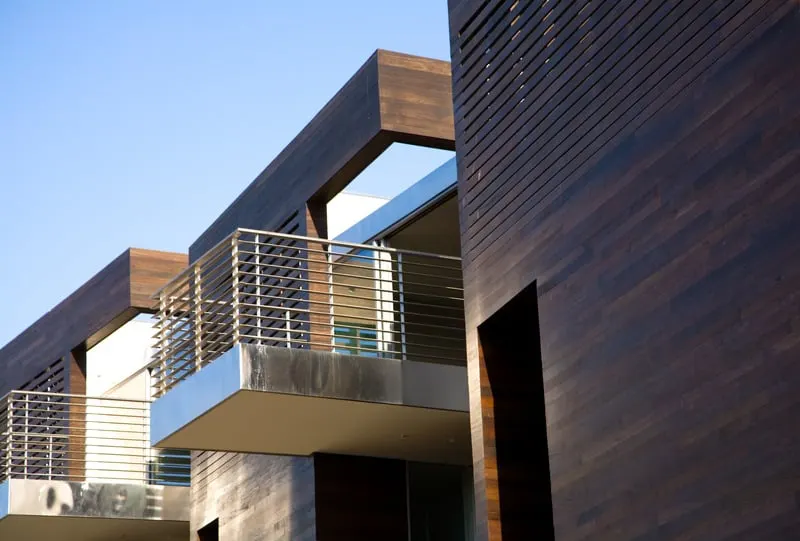
- Industrial Interiors: Used in industrial-style interiors, combining aesthetics with functionality.
- Custom Structures: Versatile for modern architectural features, merging function and design.
Things to Consider While Buying MS Channels
- Load-Bearing Requirements: Match the channel type and dimensions to the expected load and project specifications.
- Material Grade: Choose the appropriate grade of mild steel to ensure performance under specific conditions.
- Corrosion Protection: Opt for pre-coated or galvanized channels for use in moisture-prone environments.
- Compliance with Standards: Verify that the channels meet industry regulations and safety codes.
- Supplier Credibility: Partner with established MS Channel suppliers in Bangalore, like Namadeva Steel, to guarantee quality and reliability.
Maintenance and Care of MS Channels

- Anti-Corrosion Measures: Apply protective coatings or paints to enhance resistance to rust and environmental damage.
- Routine Inspections: Schedule periodic checks for deformities, cracks, or signs of wear, particularly in high-stress applications.
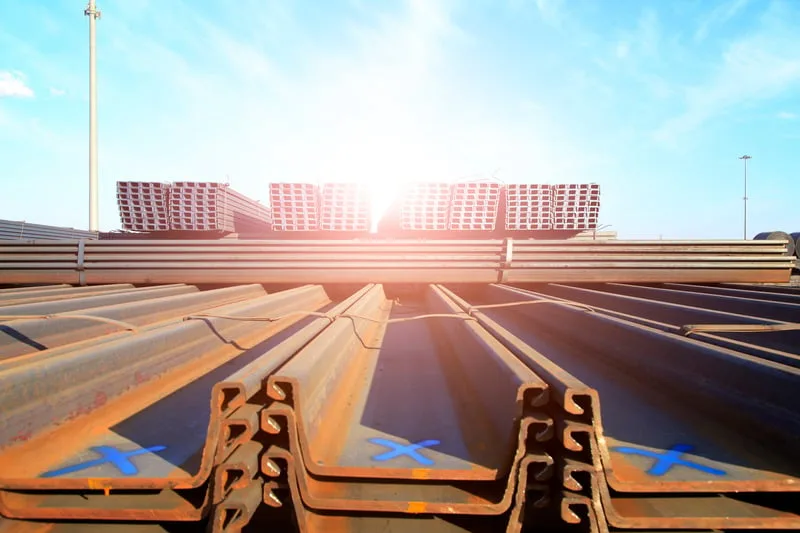
- Proper Storage: Keep channels elevated in a dry, covered area to prevent exposure to moisture and debris.
- Safe Handling: Use appropriate lifting equipment to avoid damage during transportation and installation.
Advanced Applications of MS Channels
- High-Rise Construction: Provide essential support for elevator shafts, staircases, and load-bearing walls.
- Green Energy Solutions: Used as frames for solar panels, wind turbines, and other renewable energy projects.
- Architectural Features: Incorporate exposed channels in modern industrial designs for both functional and decorative purposes.
- Logistics and Warehousing: Integral to the design of efficient storage systems and material handling equipment.
MS Channels are the backbone of modern construction and industrial projects, offering unmatched strength, adaptability, and sustainability. Sourcing MS Channels from trusted suppliers and manufacturers in Bangalore, like Namadeva Steel, ensures access to premium-quality materials that meet the highest industry standards.